Losing a tooth can be a worrying experience, whether it’s due to an accident, decay, or just natural causes. It can affect how you eat, speak, and even your confidence. But the good news is that there are steps you can take after losing a tooth to help with recovery and make the best decisions for your oral health. We’ll guide you through some important things to consider and help you know what to do next.
Immediate steps after losing a tooth
When losing a tooth, the first thing you should do is assess the situation. If the tooth has been knocked out completely, it’s essential to act quickly. Find the tooth and rinse it gently with water to remove any dirt or debris. Avoid scrubbing it or touching the root, as this could damage it. If the tooth is still intact, make sure it’s not causing you any pain or discomfort. Losing a tooth can cause some bleeding or swelling, and this is normal. If the tooth has fallen out and you’re able to get to a dentist quickly, you may even be able to have the tooth reinserted if you act fast enough.
Considering tooth replacement options
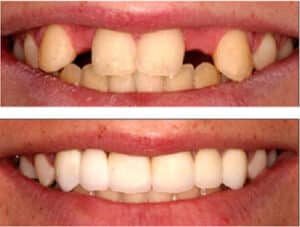
For those who are unable to save the lost tooth, it’s important to consider your next steps for tooth replacement. Losing a tooth can affect your smile, chewing, and speaking, so it’s important to plan ahead. Many people who lose a tooth choose dental implants, dentures, or bridges to fill the gap. A dental implant is a long-term solution, where a titanium post is placed into the jawbone to support a crown. Dentures are removable false teeth that can replace one or more missing teeth. Bridges use the surrounding teeth to hold the false tooth in place. Each option has its pros and cons, so you should discuss with your dentist to see which one is best for you.
Why tooth replacement is important
If you’ve lost a tooth, you might be wondering if it’s possible to live without replacing it. While it’s possible, it can lead to several issues. Losing a tooth can cause your remaining teeth to shift, which might affect your bite. This can lead to discomfort and even pain. Over time, losing a tooth can cause bone loss in your jaw, making it harder to place implants or dentures later on. This is why it’s so important to replace the lost tooth as soon as possible.
Managing pain and discomfort
Aside from considering replacement options, there are a few other things to keep in mind after losing a tooth. If you experience any pain or swelling, it’s a good idea to take over-the-counter painkillers or use a cold compress to reduce swelling. Try to eat soft foods and avoid chewing on the side where the tooth is missing. This will help prevent any irritation to the area. You might also want to be careful about speaking, as losing a tooth can affect how you pronounce certain words. If you feel self-conscious, remember that this is a temporary situation, and there are plenty of options available to restore your smile.

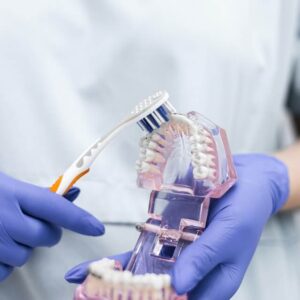
When losing a tooth, it’s also essential to maintain good oral hygiene. Even though the tooth is missing, it’s important to continue brushing and flossing the surrounding teeth to keep your mouth clean. If you’re wearing a temporary denture or bridge, make sure to clean it properly to prevent bacteria buildup. Keeping your mouth clean will also help reduce the risk of infection or other complications.
The impact on your facial appearance
You might also wonder if losing a tooth will affect your facial appearance. Over time, if a tooth isn’t replaced, the jawbone where the tooth was will begin to shrink. This can cause changes in the shape of your face and may make you look older. One of the reasons why replacing a tooth is so important is to keep your facial structure intact. Dental implants, in particular, are a great option because they help maintain bone density in the jaw, preventing this bone loss.
Emotional impact of losing a tooth
Losing a tooth can also be an emotional experience, especially if it affects your appearance. Many people feel self-conscious about their smile after losing a tooth. However, it’s important to remember that tooth replacement is common, and there are many options to restore your smile and boost your confidence. Whether you choose dental implants, dentures, or bridges, you don’t have to live with the gap forever.

The importance of follow-up care
After losing a tooth, it’s also important to follow up with your dentist. Regular check-ups will help make sure that your mouth is healing properly and that your replacement tooth is functioning as it should. If you’ve had a dental implant placed, your dentist will want to monitor the healing process to make sure the implant is integrating well with the jawbone. Regular visits also give your dentist the chance to check for any issues with your surrounding teeth or gums.
Conclusion: Don’t delay tooth replacement
Losing a tooth can be a stressful situation, but it’s important to act quickly and take the necessary steps to protect your oral health. Whether you decide to replace the tooth with a dental implant, bridge, or denture, it’s essential to replace the missing tooth as soon as possible to avoid further complications. With the right care, tooth replacement can help you get back to enjoying your life, smiling with confidence, and eating the foods you love. If you’ve lost a tooth, don’t hesitate to consult with your dentist to explore your options and find the best solution for you.