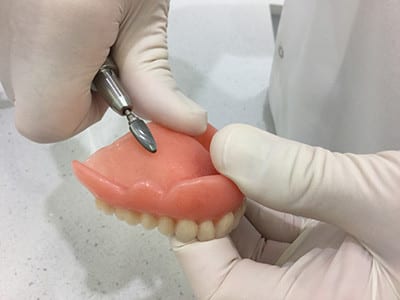
If you’ve lost a few teeth on the bottom of your mouth, a lower partial denture might be the solution you need to restore both your smile and your confidence. But what exactly is a lower partial denture, and why might you need one? Let’s break it down simply, so you can understand exactly how they work, what to expect, and why they’re so important.
What is a lower partial denture?
A lower partial denture is a dental appliance used to replace missing teeth on the bottom row of your mouth. Unlike full dentures, which replace all the teeth in your mouth, partial dentures are designed to fill in gaps left by one or more missing teeth. They’re custom-made to fit your mouth perfectly and help you chew, speak, and smile more naturally.
Dentures are made from a combination of materials like acrylic, metal, or flexible plastic. The part that fits in your mouth is shaped to match the contour of your gums and remaining teeth. This makes them comfortable to wear while offering a secure fit.

Why do you need a lower partial denture?
Losing teeth can affect your ability to chew your food properly, which can lead to difficulty eating and even problems with digestion. But it’s not just about the function – losing teeth can impact the way you look and how you feel about yourself. Gaps in your smile might make you feel self-conscious, and the misalignment caused by missing teeth can even change the shape of your face over time.
A denture can solve all of these problems. It restores your ability to eat and speak comfortably, improves your smile, and helps maintain the natural shape of your mouth. They’re a great option for anyone who doesn’t need full dentures but still wants a solution for missing teeth.
How does a lower partial denture work?
The design of a denture is simple yet effective. It consists of a metal or acrylic framework with false teeth attached to it. The framework is carefully designed to fit around your remaining teeth, with clasps that help hold the denture in place. These clasps grip your natural teeth gently but securely, keeping the partial denture in position throughout the day.
When you wear a denture, it fills in the gaps in your smile, allowing you to chew and speak more naturally. Over time, the denture helps maintain the alignment of your teeth, preventing them from shifting out of place.
What are the benefits of a denture?
There are several reasons why people opt for lower partial dentures. Here are some of the key benefits:
- Improved comfort: A lower partial denture restores the natural function of your mouth. You’ll be able to eat, speak, and smile with ease, and the denture will help you avoid the discomfort caused by missing teeth.
- Preserving your smile: Missing teeth can make your smile look uneven and unnatural. A denture fills in the gaps, making your smile look fuller and more balanced.
- Maintaining dental health: When you lose teeth, the remaining teeth can begin to shift or tilt into the gaps. This can lead to more problems down the line. A lower partial denture helps hold the remaining teeth in place, preventing further dental issues.
- Restoring confidence: Losing teeth can have an impact on your self-esteem. A lower partial denture allows you to feel confident in your appearance, knowing your smile looks complete.
How to care for your dentures
Taking care of your lower partial denture is simple, but it’s important to do it regularly to keep it in good condition. Here are some tips for keeping your denture clean and functioning properly:
- Clean daily: Just like natural teeth, your denture needs to be cleaned daily. Use a soft-bristled brush and denture cleaner (not toothpaste, as it can scratch the surface). Brush the denture gently to remove food particles and plaque.
- Avoid hot water: Never clean your lower partial denture with hot water, as it can warp the material. Always use lukewarm or cold water for cleaning and soaking.
- Handle with care: Dentures can be delicate, so always handle your lower partial denture with care to avoid breaking or damaging it.
- Visit your dentist: Regular check-ups with your dentist are important to ensure that your lower partial denture is fitting properly and that your mouth is healthy.
How long does a lower partial denture last?
The lifespan of a lower partial denture depends on several factors, including how well you care for it, how often you wear it, and the material it’s made from. On average, a lower partial denture can last anywhere from 5 to 10 years. However, it’s important to keep in mind that your mouth may change over time, which could affect the fit of your denture. Regular adjustments and check-ups with your dentist will help keep your denture comfortable and functional for as long as possible.
Can a lower partial denture be adjusted?
Yes, dentures can be adjusted. If you notice any discomfort or if the denture starts to feel loose, it’s important to see your dentist for an adjustment. Sometimes, the fit may change over time due to changes in your gums or jaw. A quick visit to the dentist can ensure that your lower partial denture remains comfortable and effective.
Who is a good candidate for a lower partial denture?
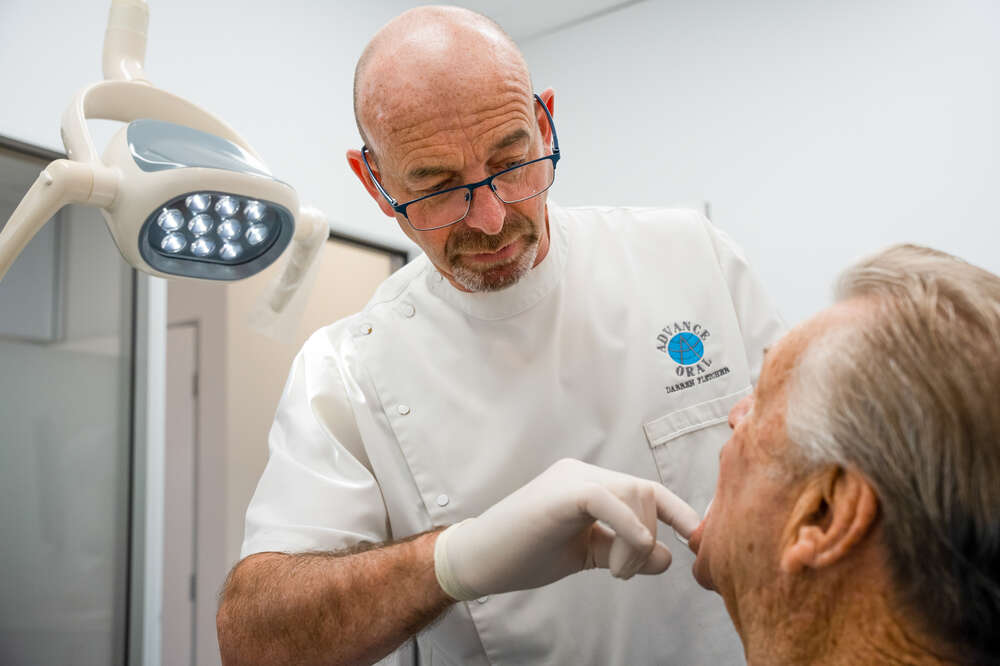
Lower partial dentures are ideal for people who have lost several teeth on the bottom row of their mouth but still have some healthy teeth remaining. If you have a few missing teeth and are looking for a solution to restore your smile and oral function, a lower partial denture might be the right option for you. We will assess your oral health and help you determine if a denture is the best choice.
Book an appointment today
A lower partial denture is a simple yet effective solution for replacing missing teeth on the bottom row of your mouth. It helps restore your smile, improve your bite, and boost your confidence. If you’re missing a few teeth and want to bring back the full function of your mouth, a partial denture could be the answer you’re looking for.
To book an appointment with Advance Oral Dentures, based on the Sunshine Coast, get in touch with us today. We’re here to help you achieve a comfortable, confident smile!