Thinking about getting dentures can feel overwhelming. There’s a lot to consider: from how they’ll look and feel to what they cost and how to care for them. The best way to make a confident choice is to ask the right questions before you start treatment.
Below we’ll cover the key questions to discuss with your denture prosthetist. Understanding the answers will help you choose the right denture type, avoid surprises, and feel prepared for life with your new teeth.
Asking the right questions about dentures matters
Dentures are an investment in comfort, health and confidence. They’ll affect how you chew, speak and smile every day. Yet many people walk into a denture consultation not knowing what to ask. As a result, they sometimes end up with a denture that isn’t ideal for their lifestyle, or they’re surprised by how long the process takes.
A good prosthetist will welcome your questions and give clear, honest answers. They want you to understand your options and feel happy with the outcome.
Start with the basics
1. What types of dentures do you offer?
Dentures come in different designs and materials. Common types include:
- Full dentures replace all teeth in an upper or lower arch.
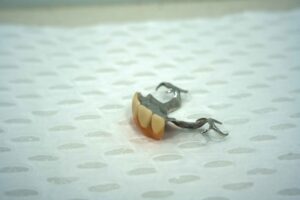
- Partial dentures fill spaces where only some teeth are missing.
- Flexible partials made of softer materials, more comfortable but not as long-lasting.
- Implant-supported dentures clip onto dental implants for better stability.
- Immediate dentures placed the same day teeth are removed, then adjusted later.
Ask which types your prosthetist provides and what they recommend for your mouth and lifestyle.
2. Which option suits my gums and jawbone?
Your mouth’s shape, bone levels and gum health matter. For example, if your lower jawbone has shrunk, a traditional lower denture might feel loose. Implants or special design tweaks may help. A thorough exam and sometimes X-rays will guide the best choice.
3. How many appointments will it take?
Some people expect artificial teeth in one visit, but quality dentures usually require several steps: impressions, bite registration, try-ins, adjustments. Ask about the full timeline so you know what to plan for.
4. How long will the whole process take?
Simple dentures may be finished in a few weeks. Complex cases or implant-supported dentures take longer. Knowing the schedule helps if you’re working, travelling or caring for family.
Fit and comfort
5. How will you make sure my artificial teeth fit well?
A precise fit prevents rubbing and slipping. Ask about the techniques your prosthetist uses: such as detailed impressions, bite measurements and trial fittings.
6. What if they feel loose or cause sore spots?
Even well-made dentures may need adjustments as you break them in. Ask how many adjustment visits are included after delivery and how long the clinic will tweak them for free.
7. How often should I expect relines?
As your gums and jaw change, most artificial teeth need a reline every 2–3 years to keep them snug. Ask how your prosthetist handles this and what it costs.
8. Are implant options worth considering for me?
Implant-supported dentures can transform comfort, especially for lower jaws where suction is weak. Ask if you’re a candidate and what extra cost or surgery would be involved.
Appearance
9. Can I choose the look of my artificial teeth?
Most people want a natural smile, not obviously “false teeth.” Ask about:
- Tooth shape and size options
- Shade selection (to match your age and skin tone)
- Gum base colouring for realism
Some clinics will do a try-in where you can preview how your smile will look before finishing.

10. Can you match my old smile or improve it?
If you liked your old teeth, bring photos. If you want a brighter or straighter smile, ask how much change is possible.
11. Will artificial teeth affect my speech?
New artificial teeth can temporarily affect certain sounds. Ask if the clinic offers advice or exercises to help adapt quickly.
Eating and lifestyle
12. How easy will it be to eat with these dentures?
It’s common to start with softer foods and work up. Ask how long most patients take to chew normally and what foods to avoid long-term.
13. Will I need denture adhesive?
A good fit means you shouldn’t rely on adhesive daily. But some people like extra security for big social events. Ask your prosthetist’s view.
14. Can I play sport or be active with artificial teeth?
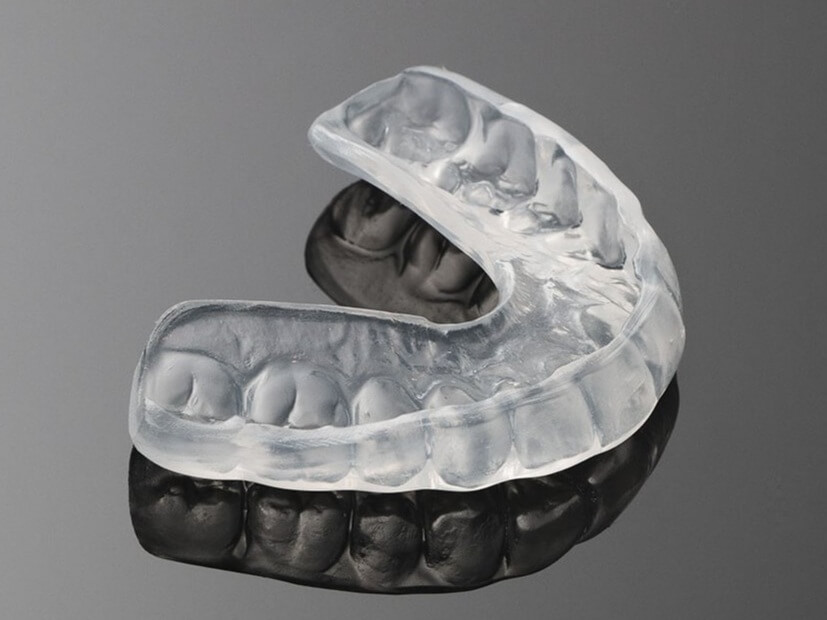
Most people can, but for high-impact sports, a custom mouthguard or extra retention might help.
Care and maintenance
15. How do I clean and store my dentures?
Ask for a clear care routine. Usually it involves gentle brushing, denture cleaner, and soaking overnight in water or a solution, not toothpaste or hot water.
16. What products should I avoid?
Some whitening toothpastes and bleach can damage artificial teeth. Get a list of safe cleaners.
17. How often should I come in for check-ups?
Even with no natural teeth, your gums and jaw change. A yearly visit is a good habit to catch fit issues early.
18. How long should these dentures last?
Most dentures last 5-8 years before needing replacement. Ask about expected lifespan based on the materials chosen.
Cost and value
19. What’s included in the price?
Does the quoted price cover initial fittings, adjustments, and follow-ups? Are relines later extra?
20. Do you offer payment plans?
Some clinics spread out payments. Ask about instalments or finance options if budget is a concern.
21. Does private health insurance cover dentures?
If you have extras cover, ask for item numbers to check with your insurer.
Emergencies and repairs
22. What if my denture breaks?
Ask if the clinic offers same-day repairs. Many people don’t realise quick repairs are possible.
23. Can you visit me if I can’t travel?
Some clinics, like Advance Oral Dentures, offer a mobile denture service across the Sunshine Coast. This can be invaluable if you’re older, in aged care, or recovering from surgery.
24. How soon should I be seen if there’s a problem?
Prompt care prevents sore spots turning into ulcers or major damage. Ask how quickly they can usually fit you in.
Technology and quality
25. What materials do you use?
High-quality acrylics and teeth resist wear and staining better. Ask about their durability and safety.
26. Do you use digital scanning or traditional impressions?
Some clinics now offer digital impressions, which can be more comfortable and precise.
27. Where are the dentures made?
Some prosthetists make dentures on-site, which can mean faster service and better communication.
Special considerations
28. Can I wear dentures right after extractions?
Immediate dentures mean you don’t go without teeth, but they usually need relines as gums heal. Ask if this is an option for you.
29. Do you work with dentists for extractions or implants?
If teeth still need to be removed or implants placed, coordination matters. Ask how your prosthetist collaborates with other providers.
30. Will my face look different?
Good dentures support your lips and cheeks, helping you avoid a sunken look. Ask what aesthetic changes you might expect.
Tips for your first consultation
- Bring a list of medications, some affect oral health.
- Bring old dentures or photos of your natural smile.
- Be honest about your eating, speaking and lifestyle needs.
- Don’t be shy, the more you ask, the better your result.
Why local care matters
Choosing a nearby clinic can make follow-up and adjustments much easier. If you’re on the Sunshine Coast – including Mooloolaba, Maroochydore, Buderim, Caloundra and Noosa – Advance Oral Dentures offers both in-clinic and mobile denture services. Located at 1/130 Brisbane Rd, Mooloolaba, they specialise in personalised dentures that fit well, look natural, and can be maintained over time.
If you can’t travel easily, the mobile service brings a qualified prosthetist to your home, aged care facility or hospital. This is especially valuable if mobility is limited or you’re caring for an elderly parent.
See the clinic on Google Maps.
How asking these questions saves headaches later
Many denture frustrations: poor fit, unexpected relines, or surprise costs happen because people didn’t ask enough at the start. When you know:
- what type of denture suits your mouth
- how long the process takes
- what aftercare and adjustments are included
- how long the dentures should last
- what to expect with eating and speaking
…you’re much more likely to end up with teeth you can trust every day.

Dentures are life-changing when done well. The key is a good conversation at the start, and a prosthetist who listens. Prepare your list of questions, bring any old dentures or smile photos, and don’t hold back from discussing lifestyle needs or concerns.
If you’re considering dentures and live on the Sunshine Coast, Advance Oral Dentures in Mooloolaba is a local option with expert care and the convenience of a mobile denture service. Asking the right questions here can save you time, money and discomfort: and help you step into a future where eating, speaking and smiling feel natural again.