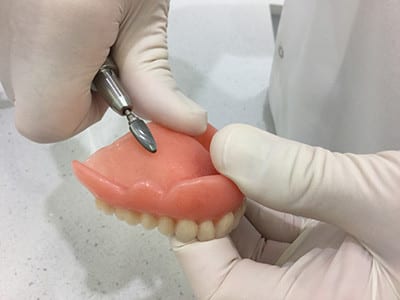
If your denture feels loose, slips when you talk, or rubs your gums, it’s best to get it checked early. Loose dentures rarely fix themselves, but the right repair or reline can make a big difference.
Contact Us
Facebook-f
Twitter
Google-plus-g
Youtube
What to do when your denture won’t stay put
A denture that feels loose can turn a normal day into a constant worry. It can rub, click, slip when you talk, and make eating harder than it should be. The good news is this is common and in most cases it can be fixed.
Here we’ll explain loose denture repair. You’ll learn why dentures loosen over time, what you can try at home (safely) and when it’s time to book in for a reline or a repair.
If you already know your denture has lost its fit, the fastest path is usually a denture reline. Read about relines here: denture relines.
What counts as a loose denture
You might need loose denture repair if you notice any of these:
- Your denture lifts when you talk or yawn
- Food gets under it more often
- You feel rubbing, sore spots, or small ulcers
- You use more adhesive than you used to
- It clicks when you chew
- It feels fine in the morning but gets worse through the day
Even if it’s only “a bit loose”, it’s worth acting early. Small movement can cause sore gums, and then people start changing how they chew. That can lead to headaches, jaw pain, or cracked dentures.
Why dentures get loose over time
The number one reason people need loose denture repair is simple: your mouth changes. After teeth are removed, the jawbone and gums slowly shrink and reshape. That means the denture that used to fit snugly can start to float.
Other common causes include:
- Normal wear on the denture base
- Changes in your bite (how your teeth meet)
- Weight loss, illness, or medications that affect your mouth
- Cracks or warping (even small ones can change the fit)
If you want a deeper explanation of what a reline is and why it helps, this post is a solid read: what is a denture reline.

Quick checks you can do at home (without making it worse)
Before you jump into DIY fixes, keep one rule in mind: don’t try to reshape your denture at home. DIY kits and “boil and bite” style fixes can ruin the fit, and they can make a simple loose denture repair turn into a bigger job.
Safe checks you can do:
- Clean the denture properly. Buildup can change the way it sits.
- Check for a visible crack or chipped edge.
- Notice if the looseness is all the time or only when chewing.
- Try eating softer foods for a day or two to reduce rubbing.
If you’re relying on adhesive daily, that’s usually a sign you need loose denture repair from a clinic, not a stronger glue.
Loose denture repair usually means one of two things
Most loose denture repair cases fall into these categories:
1) A reline (best for a denture that has “lost its fit”)
A reline updates the inside surface of your denture so it matches your gums again. Think of it like re-basing the fit, while keeping the denture itself. If your denture is otherwise in good condition, a reline can make it feel secure again.
Learn more here: denture relines.
2) A repair (best for cracks, chips, or a denture that is damaged)
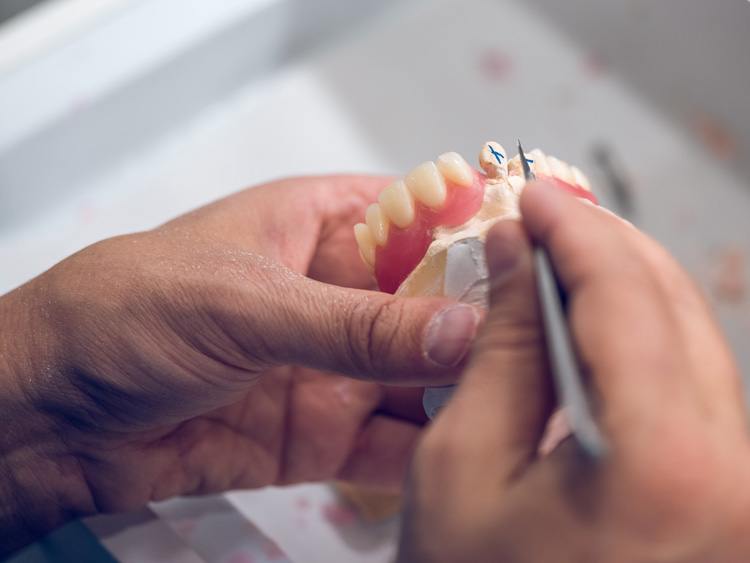
If the denture is cracked, broken, or a tooth has come off, you may need a repair first. A crack can also cause looseness, because the denture flexes in your mouth.
See the repair option here: denture repairs.
Sometimes both are needed: a repair to fix the damage, then a reline to fix the fit. That combo is still a normal loose denture repair plan.

When to book in now (not “later this week”)
Book an appointment as soon as you can if:
- Your denture is rubbing and causing sores
- You can’t chew properly
- The denture is cracked or has sharp edges
- You’ve had a sudden change in fit
- You’ve had a fall or knock and the denture feels different
These are all signs your loose denture repair should happen sooner, so your gums don’t get more irritated.
What happens at an appointment for loose denture repair
A good loose denture repair starts with checking the denture and your mouth, then picking the right fix.
In most visits, you can expect:
- A fit check (how the denture sits and moves)
- A bite check (how your teeth meet)
- A look for cracks, wear, or pressure points
- Advice on whether a reline or a repair is the best next step
If a reline is recommended, it’s because the denture is fine, but your gums have changed. If a repair is recommended, it’s because the denture itself needs fixing. Either way, the goal is the same: stable, comfortable dentures again.
How to look after your dentures while you wait
While you’re waiting for loose denture repair, keep it simple:
- Take the denture out at night (unless your clinician tells you otherwise)
- Soak it as recommended and clean it daily
- Avoid very hard or sticky foods
- If you get a sore spot, don’t “push through” it. Book in.
If you have damage (cracks, missing tooth, sharp edge), don’t keep wearing it just to “get by”. That can make the break worse.
Common questions about loose denture repair
Can I fix a loose denture with adhesive?
Adhesive can help short-term, but it does not fix the cause. If you’re using it often, you likely need loose denture repair through a reline or an adjustment.
How often do dentures usually need a reline?
It varies from person to person. Many people need a reline as their mouth changes over time. If your denture is moving, rubbing, or you’re chewing differently, it’s time to ask about a reline as part of your loose denture repair.
Is a loose denture normal after weight loss?
It can be. Changes in body weight can affect facial support and how dentures feel. If the fit has changed, loose denture repair is still the right next step.
What if my denture is loose and cracked?
You may need a repair first, then a reline. A cracked denture can flex and feel loose even if the fit was okay before. A proper assessment helps choose the best loose denture repair plan.
Will a reline make my denture feel tight again?
If your denture is in good shape and the issue is the fit, a reline can make a big difference. It’s one of the most common loose denture repair options.
Next step: book a check before it gets worse
If your denture is slipping, clicking, rubbing, or you’re leaning on adhesive, it’s time for loose denture repair. The sooner it’s checked, the easier it usually is to fix.
Start here to read about relines: denture relines. If you think the denture is damaged, check repairs here: denture repairs. And if you want the full breakdown of relines, this article explains it well: what is a denture reline.
Loose dentures are common. The fix is usually straightforward. A proper loose denture repair can get you back to eating and talking with confidence again.