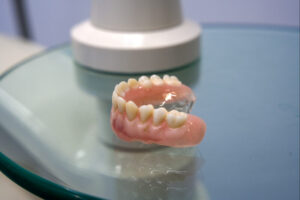
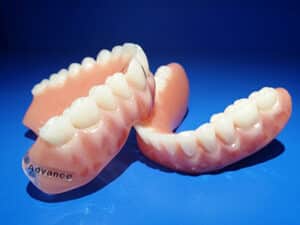
When it comes to replacing missing teeth, there are different kinds of dentures that can help you smile, eat, and talk with confidence again. Dentures have been around for years and have improved a lot over time. They’re a popular option for people with missing teeth because they’re custom-made to fit your mouth and can be designed to look just like natural teeth.
We’ll go over the most common kinds of dentures, what they’re made of, how they work, and who they’re best for. This way, you can make an informed choice if you’re thinking about getting dentures.
What are dentures?
Before we dive into the different kinds of dentures, let’s quickly explain what prosthetic teeth are. Dentures are removable appliances made to replace missing teeth. They can be for your upper jaw, lower jaw, or both. These prosthetic teeth not only help you chew your food better but also improve the way your face looks by giving structure to your cheeks and jaw.
Most common kinds of dentures
1. Full set
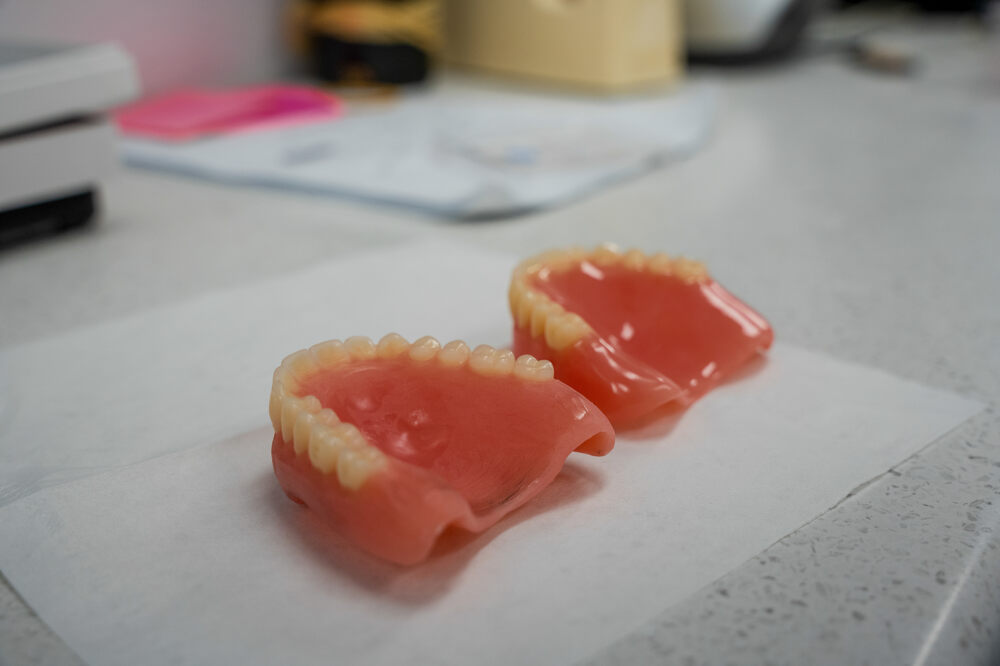
Full set, also called complete dentures, are for people who are missing all their teeth in either their upper jaw, lower jaw, or both. These prosthetic teeth replace an entire set of teeth.
Full set is made up of a gum-coloured base that holds artificial teeth. They sit on your gums and are held in place by suction or a special adhesive. People usually take them out at night for cleaning and to give their gums a break.
These kinds of dentures are the most common for people who have lost all their teeth due to age, gum disease, or injury. They’re a reliable option if you need a complete set of teeth.
2. Partial set
If you’re only missing a few teeth, partial dentures might be the best choice for you. These kinds of teeth are made to fit around your existing natural teeth, filling in the gaps with artificial teeth.
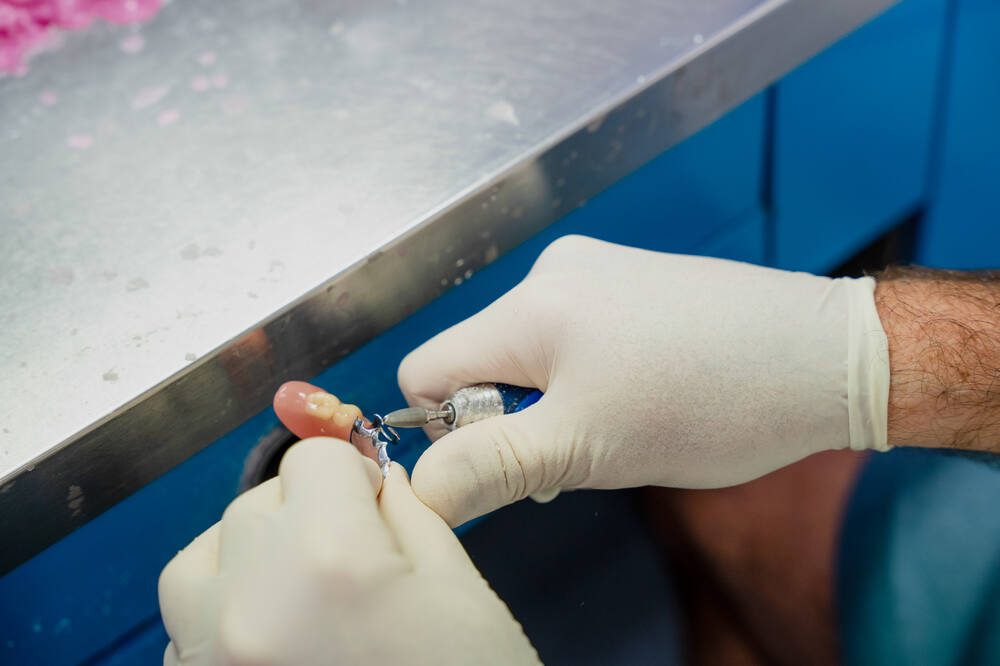
Partial dentures usually have metal or acrylic clasps that hook onto your natural teeth to stay secure. They’re a good option for people who still have some healthy teeth left and don’t want to go for more permanent options like implants.
One great thing about partial prosthetic teeth is that they help stop your remaining natural teeth from shifting out of place.

3. Implant-supported
For people looking for more stability, implant-supported dentures are a popular choice. These kinds of teeth are held in place by dental implants. Implants are small titanium posts that are placed into your jawbone, acting like tooth roots.
The dentures then snap onto the implants, making them much more secure than regular full or partial dentures. You won’t need adhesive with these, and they feel more like natural teeth.
Implant-supported dentures can be removable or fixed. Fixed ones are often called permanent teeth because only your dentist can take them out. These kinds of dentures are great for people who want a long-term solution and don’t mind the extra cost.
4. Immediate dentures
Sometimes, people need to have teeth removed before getting their dentures. Immediate dentures are designed to be worn right after your teeth are taken out. This way, you don’t have to go without teeth while your gums heal.
Immediate prosthetic teeth are temporary and will need to be replaced or adjusted after your gums have fully healed. These kinds of dentures are helpful for people who don’t want to go through a toothless phase, but they might not fit as perfectly as final dentures.
5. Flexible dentures
Flexible dentures are a newer option that is becoming more popular. These kinds of prosthetic teeth are made from a soft, bendable material instead of the hard acrylic used in traditional dentures.
Flexible prosthetic teeth are lightweight, comfortable, and less likely to cause sore spots on your gums. They also don’t require metal clasps, making them look more natural. However, they might not last as long as other dentures, so you’ll need to weigh the pros and cons.
6. Overdentures
Overdentures are another type of denture that can rest on top of either your gums or dental implants. If you still have a few natural teeth left, overdentures can fit over them. Your dentist will usually modify these teeth to support the denture.
When paired with implants, overdentures offer extra stability and comfort. These kinds of teeth are a great option if you want something that feels secure but isn’t fully fixed.
How to choose the right kinds of dentures
Choosing the best kinds of prosthetic teeth for you depends on a few things, such as:
- How many teeth you’re missing.
- The health of your gums and jawbone.
- Your budget.
- Whether you want removable or fixed dentures.
- How natural you want them to look and feel.
Your dentist will go over all these factors with you and help you decide which option is best for your situation.
Caring for your new teeth
No matter which kinds of dentures you choose, taking care of them is important. Here are some simple tips:
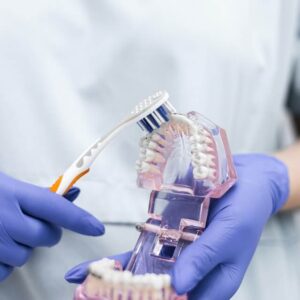
- Clean your prosthetic teeth daily using a soft brush and mild soap or denture cleaner.
- Soak them overnight in a denture solution.
- Brush your gums, tongue, and remaining teeth (if any) to keep your mouth clean.
- Visit your dentist regularly to make sure your dentures are still fitting well.
Proper care will help your prosthetic teeth last longer and keep your mouth healthy.
Why the right set of prosthetic teeth matter
The right kinds of dentures can make a big difference in your life. They improve how you eat, talk, and look. They also boost your confidence, especially if missing teeth have been bothering you.
If you’re thinking about getting prosthetic teeth, take your time to explore all the kinds of dentures out there. Each option has its benefits, so it’s worth discussing with your dentist to find the one that suits your needs.

Now you know the most common kinds of dentures and how they can help. Whether you need full set, partial dentures, or something more advanced like implant-supported dentures, there’s a solution out there for everyone. Remember to care for your dentures and check in with your dentist for the best results!