If you’ve worn dentures for a while, you might have noticed they don’t feel as secure as they used to. They may slip when you talk, rub against your gums, or make eating uncomfortable. Loose dentures are one of the most common frustrations denture wearers face, and thankfully, there are reliable ways to fix the problem.
Let’s look at why dentures become loose, what that means for your oral health, and the best options to get a snug, comfortable fit again.
Why dentures stop fitting well
When artificial teeth are first made, they’re fitted closely to the shape of your gums and jaw. But your mouth isn’t static, it keeps changing long after your teeth are gone. A few key things can happen over time:
Bone resorption
After teeth are removed, the jawbone that once held them starts to shrink. This is called bone resorption. It happens slowly but steadily, especially in the first few years after extractions. As the bone shrinks, your gums lose height and thickness, leaving extra space under the denture.
Gum changes
Soft gum tissue can also change. It might shrink or become uneven due to normal ageing or pressure from the denture. That uneven surface can stop the denture from sealing tightly.
Wear and tear
Daily use, cleaning, and chewing all cause gradual wear on the denture base and teeth. Over time the inside of the denture might become smoother or warped, reducing its grip.
Weight loss or health changes
Significant weight loss, changes in medications, or certain health conditions can reduce gum volume and alter the way dentures sit.
Old or poor-quality artificial teeth
If artificial teeth are more than 5-7 years old or were made with outdated materials, they’re more likely to become unstable.
Signs your dentures are loose
Some changes are obvious, while others creep up gradually. Watch for:
- Clicking or slipping when you talk or eat
- Food constantly getting stuck underneath
- Sore spots or ulcers on your gums
- Needing to use adhesive more often
- Changes in your bite or facial profile (lips looking more sunken)
- Difficulty chewing certain foods
- Jaw or gum pain after wearing dentures for a few hours
If you notice one or more of these signs, it’s time for a professional check.
Why you shouldn’t ignore loose dentures
It’s tempting to just add more adhesive and carry on, but a poor fit can cause bigger problems:
- Gum irritation: friction creates sore spots, swelling and ulcers.
- Bone loss: poorly fitting artificial teeth can speed up jawbone resorption.
- Digestive issues: chewing poorly can lead to stomach discomfort and poor nutrition.
- Speech problems: slipping dentures can change how you pronounce words.
- Infections: sores and rubbing create a risk of fungal infections.
- Facial ageing: loss of jaw support makes the lower face look more sunken.
Fixing the fit early protects your comfort and long-term oral health.
Professional fixes for loose dentures
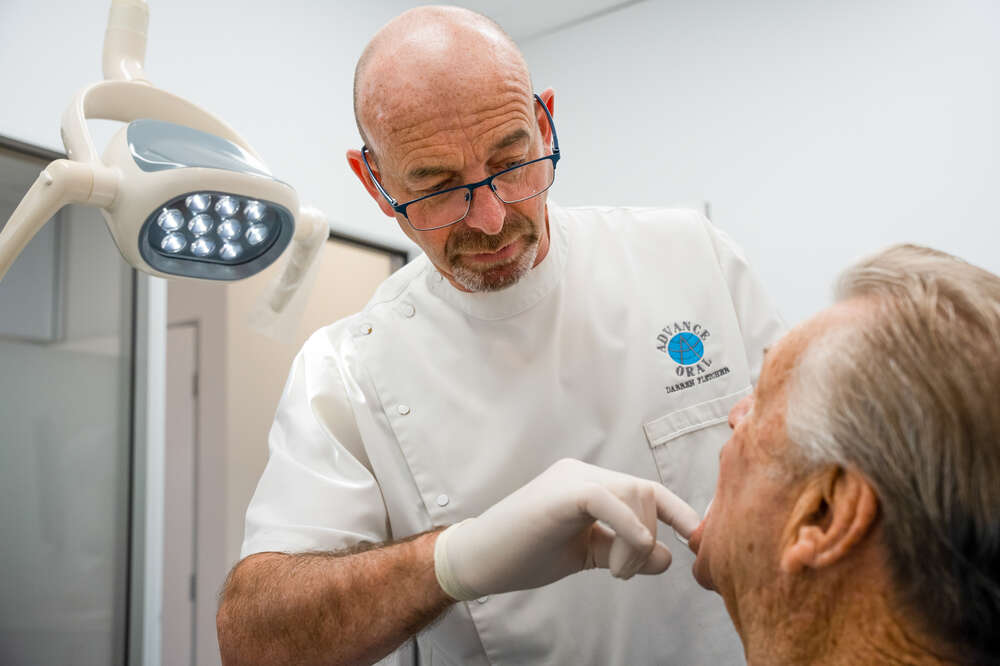
There’s no one-size-fits-all solution. The right approach depends on how old your dentures are and how much your mouth has changed. Here’s what a denture clinic like Advance Oral Dentures on the Sunshine Coast will usually recommend:
1. Reline (adding new material inside)
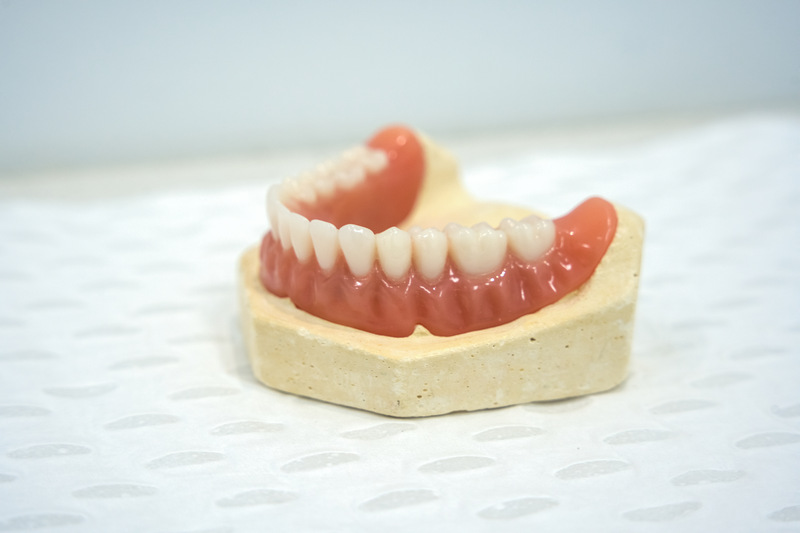
A reline refreshes the inside surface of your denture so it matches your gums again. The denture base stays the same, but the part that touches your gums is rebuilt with new acrylic.
- Soft reline: cushioned material for tender gums or recent extractions.
- Hard reline: longer-lasting acrylic for established artificial teeth.
Relines are ideal if your denture teeth still look and bite well, but the fit has loosened.
2. Reseat or adjust
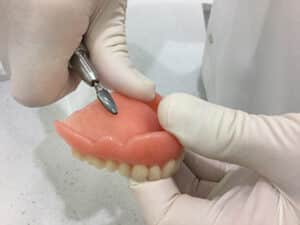
Sometimes a small adjustment to high spots or pressure points can improve comfort. A denture prosthetist will grind and polish select areas to improve suction and reduce sore spots.
3. Rebase (new base, same teeth)
A rebase involves replacing the entire acrylic base while keeping the original denture teeth. It’s a stronger, more permanent solution than a reline if the old base is worn or cracked.
4. New dentures
If your dentures are 7+ years old, teeth are worn, or the bite has changed significantly, it may be time for a completely new set. Modern dentures use better materials and can fit more securely.
5. Implant-supported dentures
For people who struggle with repeated looseness, implant-retained dentures can be life-changing. A few small titanium implants are placed in the jaw and the denture clips or snaps on. This offers exceptional stability, especially for lower dentures.
Temporary fixes while you wait for an appointment
If you can’t get to a prosthetist straight away, there are a few short-term tricks to stay comfortable:
- Denture adhesive: gives extra grip but shouldn’t be a permanent solution.
- Soft liners; some chemists sell temporary liners, but they’re best used briefly.
- Diet changes: softer foods and cutting food smaller can help reduce movement.
These are stopgaps only. Long-term comfort comes from a professional adjustment.
Getting help locally
If you’re on the Sunshine Coast – including Mooloolaba and nearby suburbs – Advance Oral Dentures is a convenient choice for denture repairs, relines, and new fittings. The clinic specialises in creating artificial teeth that feel secure and look natural.
One standout option is their mobile denture service. If you can’t travel easily, a qualified prosthetist can visit your home, aged care facility, or hospital. That’s particularly helpful for seniors or anyone with mobility challenges.
You can also check directions or reviews on Google Maps to plan your visit.
How the process usually works
- Assessment – the prosthetist checks your current dentures, gums, and bite.
- Recommendation – you’ll be told if a reline, rebase or new denture is best.
- Impressions – fresh moulds are taken to capture your current gum shape.
- Lab work – your denture is relined or remade. Some adjustments can be done same-day.
- Fitting & aftercare – the prosthetist checks comfort, bite, and gives care tips.
Appointments are usually quick and can relieve sore spots almost immediately.
Caring for dentures to keep them fitting longer
Good habits can slow down fit changes and help your dentures last:
- Clean daily with a soft brush and denture cleanser (avoid regular toothpaste).
- Soak overnight in water or denture solution to maintain shape.
- Rinse after eating to prevent buildup.
- Avoid very hot water, it can warp the base.
- See your prosthetist every 12-18 months for a fit check.
FAQs about loose dentures
Can I reline dentures at home?
DIY kits exist but are temporary and often messy. Professional relines last longer and are safer for your gums.
How often should artificial teeth be replaced?
Most need replacing every 5–8 years, depending on wear and changes in your mouth.
Why do lower dentures feel looser than uppers?
Lower jaws shrink more and have less surface area for suction. Implant support is a good long-term fix.
Will denture adhesive ruin my dentures?
No, but using it daily to hold a poor fit isn’t ideal. It can hide problems that need professional care.

Loose dentures are common, but they’re not something you have to put up with. Whether it’s a simple reline or a completely new set, a prosthetist can restore comfort and stability, and protect your gums in the long run.
If you’re on the Sunshine Coast, including Mooloolaba and nearby suburbs and need help with dentures that won’t stay put, consider booking with Advance Oral Dentures. We can also come to you with our mobile denture service if travel is difficult.
A secure, comfortable smile is closer than you think, and you don’t have to struggle with slipping artificial teeth anymore.